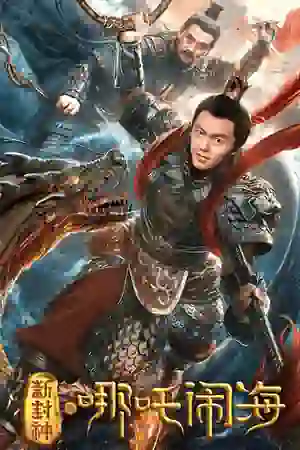
Nezha Conquers the Dragon King 2019
新封神之哪吒闹海
Yin Shiniang finally gives birth after an unusual pregnancy lasting three years and eight months. Suddenly, Shi Ji the snake spirit appears, declaring that she has come for revenge for the harm she once suffered at the hand of Yin's husband, Li Jing. Mother and son are rescued by the powerful deity Taiyi Zhenren, who promises to teach the son, Nezha, the path of immortality once he comes of age. Eighteen years later, Nezha sets off to take up his discipleship, but things do not go as planned. Nezha slays a flood dragon to rescue a young woman, Ling Zhu, once again incurring the wrath of Shi Ji, who vows to kill Nezha and avenge the dragon. In the ensuing chaos, Nezha takes his own life rather than risking harm to innocent civilians in Chen Tang Pass. Taiyi Zhenren arrives and tells Lingzhu that there is a way to bring Nezha back-but it involves paying the ultimate price.
Cast


Vocabulary
Filter the words you want to study before watching.
| 李 李 | Li (surname) | Proper Noun |
| 天命 天命 | Mandate of Heaven; destiny; fate; one's life span | Proper Noun |
| 大英 大英 | Daying county in Suining, Sichuan; Great Britain | Proper Noun |
| 奉天 奉天 | old name for Shenyang 瀋陽|沈阳 in modern Liaoning province | Proper Noun |
| 玉帝 玉帝 | Jade Emperor | Proper Noun |
| 降妖 降妖 | to subdue monsters | |
| 公子 公子 | son of an official; son of nobility; your son (honorific) | |
| 水怪 水怪 | sea monster; aquatic monster | |
| 仙 仙 | immortal | |
| 安危 安危 | safety and danger; safety | |
| 意 意 | meaning, intent | |
| 禁地 禁地 | forbidden area; restricted area; (fig.) sth considered off-limits | |
| 为父 為父 | term used by a father to refer to himself when speaking to his child | |
| 知 知 | know | |
| 承 承 | inherit, receive; succeed | |
| 捕鱼 捕魚 | to catch fish; to fish | |
| 雄 雄 | male of species; hero; manly | |
| 今夜 今夜 | tonight | |
| 面具 面具 | mask | |
| 自家 自家 | oneself; one's own family | |
| 打散 打散 | to scatter; to break sth up; to beat (an egg) | |
| 温 溫 | lukewarm | |
| 童子 童子 | boy | |
| 普普通通 普普通通 | ordinary; mediocre; nothing special | |
| 屁 屁 | break wind; fart; buttocks | |
| 獠牙 獠牙 | tusk; fang | |
| 怎么能 怎麼能 | how could one | |
| 有无 有無 | to have or have not; surplus and shortfall; tangible and intangible; corporeal and incorporeal | |
| 何出此言 何出此言 | where do these words stem from?; why do you (he, etc) say such a thing? | |
| 降生 降生 | to be born; arrival of newborn; birth (of a savior or religious leader) | |
| 羽化 羽化 | levitation (of Daoist immortal); to become as light as a feather and ascend to heaven; (in Daoism) to become immortal; to die; of winged insects, to emerge from the cocoon in adult form; eclosion | |
| 家法 家法 | the rules and discipline that apply within a family; stick used for punishing children or servants; traditions of an artistic or academic school of thought, passed on from master to pupil | |
| 悔改 悔改 | to repent; repentance | |
| 下不为例 下不為例 | not to be repeated; not to be taken as a precedent; just this once | |
| 有失 有失 | to cause a loss of (decorum, dignity etc) (used in fixed expressions) | |
| 浅薄 淺薄 | superficial | |
| 咱俩 咱倆 | the two of us | |
| 死定 死定 | to be screwed; to be toast | |
| 可不 可不 | that's just the way it is; exactly! | |
| 自便 自便 | to do as one pleases; to not inconvenience oneself | |
| 暗算 暗算 | to plot against | |
| 松开 鬆開 | to release; to let go; to loosen; to untie; to come loose | |
| 别来无恙 別來無恙 | (literary) I trust you have been well since we last met | |
| 此地 此地 | here; this place | |
| 卷云 卷雲 | cirrus (cloud) | |
| 自重 自重 | to conduct oneself with dignity; to be dignified; deadweight | |
| 自我介绍 自我介紹 | self-introduction; to introduce oneself | |
| 江湖 江湖 | rivers and lakes; all corners of the country; remote areas to which hermits retreat; section of society operating independently of mainstream society, out of reach of the law; the milieu in which wuxia tales play out (cf.); ( | |
| 谢 謝 | thank | |
| 早些 早些 | a bit earlier |