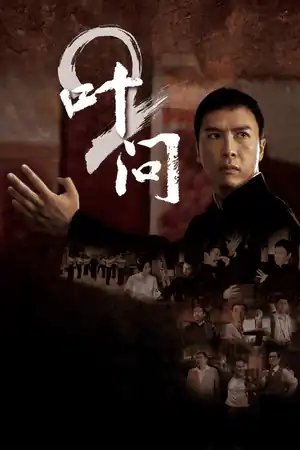
Ip Man 2 2010
叶问2
Having defeated the best fighters of the Imperial Japanese army in occupied Shanghai, Ip Man and his family settle in post-war Hong Kong. Struggling to make a living, Master Ip opens a kung fu school to bring his celebrated art of Wing Chun to the troubled youth of Hong Kong. His growing reputation soon brings challenges from powerful enemies, including pre-eminent Hung Gar master, Hung Quan.
Cast


Vocabulary
Filter the words you want to study before watching.
| 但是 但是 | but; however | |
| 它 它 | it | |
| 问题 問題 | question; problem; issue; topic | |
| 只 隻 | only; merely; just; but | |
| 又 又 | (once) again; also; both... and...; and yet; (used for emphasis) anyway | |
| 因为 因為 | because; owing to; on account of | |
| 如果 如果 | if; in case; in the event that | |
| 这样 這樣 | this kind of; so; this way; like this; such | |
| 已经 已經 | already | |
| 可以 可以 | can; may; possible; able to; not bad; pretty good | |
| 得 得 | to obtain; to get; to gain; to catch (a disease); proper; suitable; proud; contented; to allow; to permit; ready; finished | |
| 为 為 | as (in the capacity of); to take sth as; to act as; to serve as; to behave as; to become; to be; to do; by (in the passive voice) | |
| 自己 自己 | oneself; one's own | |
| 但 但 | but; yet; however; still; merely; only; just | |
| 让 讓 | to yield; to permit; to let sb do sth; to have sb do sth; to make sb (feel sad etc); by (indicates the agent in a passive clause, like 被) | |
| 啊 啊 | interjection of surprise; Ah!; Oh! | |
| 多谢 多謝 | many thanks; thanks a lot | Xiehouyu |
| 大不了 大不了 | at worst; if worst comes to worst; (usu. in the negative) serious; alarming | Xiehouyu |
| 好听 好聽 | pleasant to hear | Xiehouyu |
| 没关系 沒關係 | it doesn't matter | Xiehouyu |
| 好看 好看 | good-looking; nice-looking; good (of a movie, book, TV show etc); embarrassed; humiliated | Xiehouyu |
| 对不起 對不起 | I'm sorry; excuse me; I beg your pardon; to let (sb) down; to disappoint | Xiehouyu |
| 干 乹 | dry; dried food; empty; hollow; taken in to nominal kinship; adoptive; foster; futile; in vain; (dialect) rude; blunt; (dialect) to cold-shoulder | Xiehouyu |
| 不会 不會 | improbable; unlikely; will not (act, happen etc); not able; not having learned to do sth; (coll.) (Tw) don't mention it; not at all | Colloquialism |
| 打的 打的 | (coll.) to take a taxi; to go by taxi | Colloquialism |
| 看看 看看 | to take a look at; to examine; to survey; (coll.) pretty soon | Colloquialism |
| 那是 那是 | (coll.) of course; naturally; indeed | Colloquialism |
| 对不对 對不對 | right or wrong?; Is it right?; OK, yes? (colloquial) | Colloquialism |
| 吃的 吃的 | (coll.) food | Colloquialism |
| 这不 這不 | (coll.) As a matter of fact,... (used to introduce evidence for what one has just asserted) | Colloquialism |
| 哥们 哥們 | Brothers!; brethren; dude (colloquial); brother (diminutive form of address between males) | Colloquialism |
| 真是 真是 | indeed; truly; (coll.) (used to express disapproval, annoyance etc) | Colloquialism |
| 小的 小的 | (coll.) young child; the little one(s) of the family; (old) (humble) I; me; my (used by a commoner when speaking to an official) | Colloquialism |
| 好不好 好不好 | (coll.) all right?; OK? | Colloquialism |
| 爸爸 爸爸 | (coll.) father; dad | Colloquialism |
| 块 塊 | lump; chunk; piece; classifier for pieces of cloth, cake, soap etc; (coll.) classifier for money and currency units | Colloquialism |
| 吗 嗎 | (coll.) what? | Colloquialism |
| 那 那 | (specifier) that; the; those (colloquial pr. [nèi]); (pronoun) that (referring to persons, things or situations); then (in that case) | Colloquialism |
| 中国人 中國人 | Chinese person | Proper Noun |
| 香港 香港 | Hong Kong, special administrative region (SAR) of the PRC | Proper Noun |
| 魏国 魏國 | Wei State (407-225 BC), one of the Seven Hero States of the Warring States 戰國七雄|战国七雄; Wei State or Cao Wei 曹魏 (220-265), the most powerful of the Three Kingdoms | Proper Noun |
| 日本人 日本人 | Japanese person or people | Proper Noun |
| 中和 中和 | Zhonghe or Chungho city in New Taipei City, Taiwan | Proper Noun |
| 没事 沒事 | it's not important; it's nothing; never mind; to have nothing to do; to be free; to be all right (out of danger or trouble) | |
| 这个 這個 | (pronoun) this; (adjective) this | |
| 不是 不是 | no; is not; not | |
| 一下 一下 | (after a verb) a bit; a little (indicating brief duration, or softening the tone, or suggesting giving sth a try); all at once; suddenly | |
| 不能 不能 | cannot; must not; should not | |
| 你好 你好 | hello; hi | |
| 不想 不想 | unexpectedly; to one's surprise |